




Oceano Borderline.
What remains of the childhood Trauma.
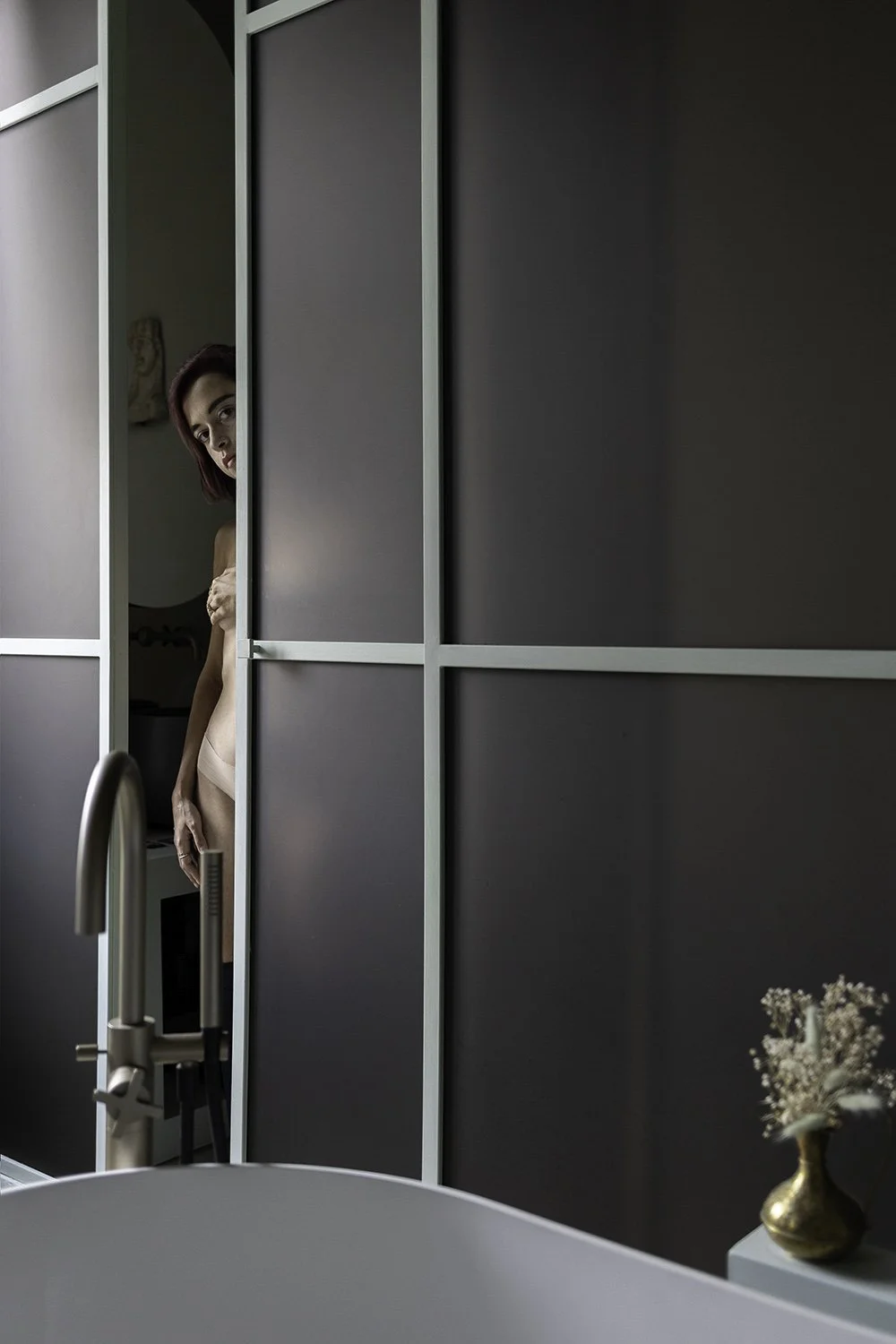
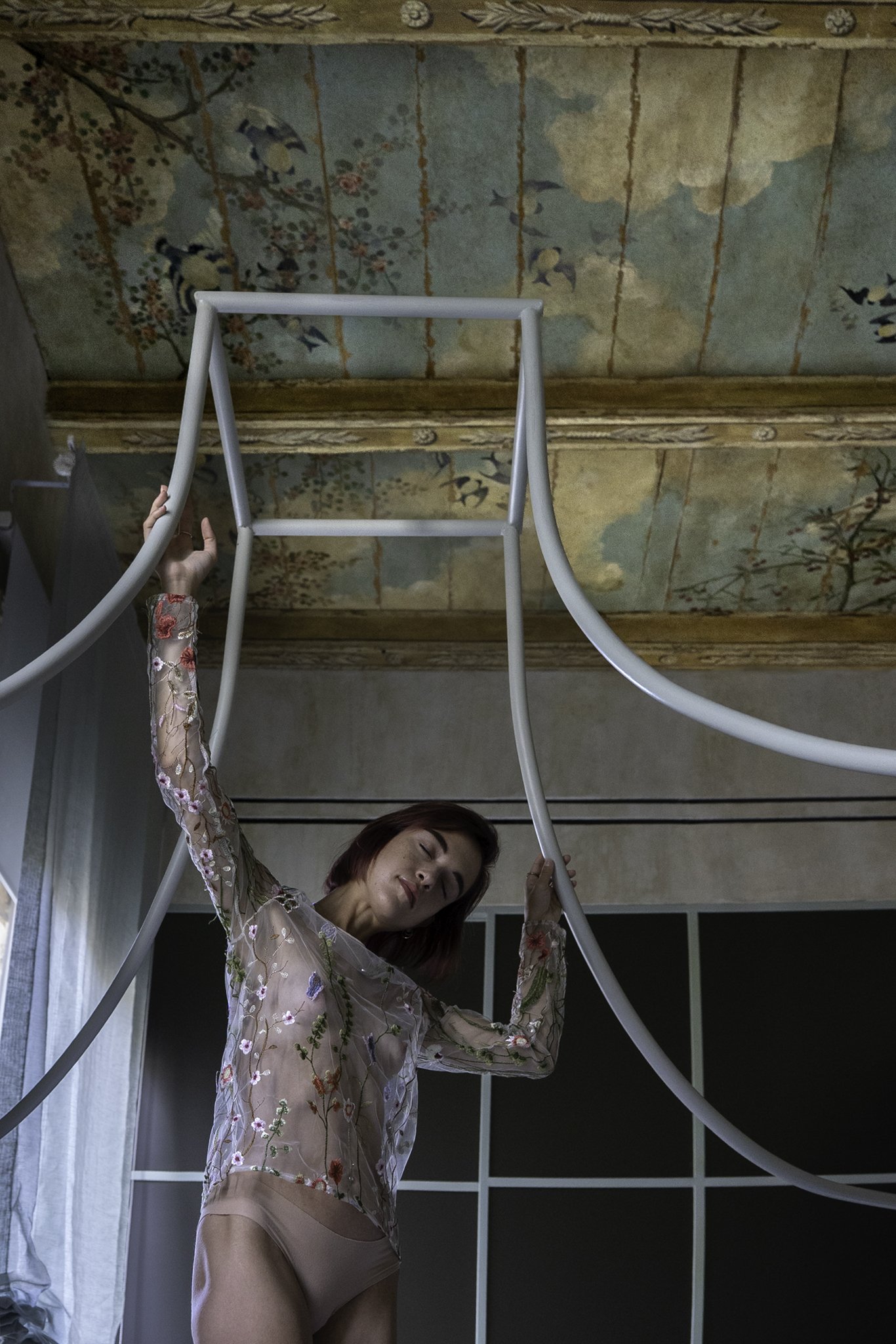
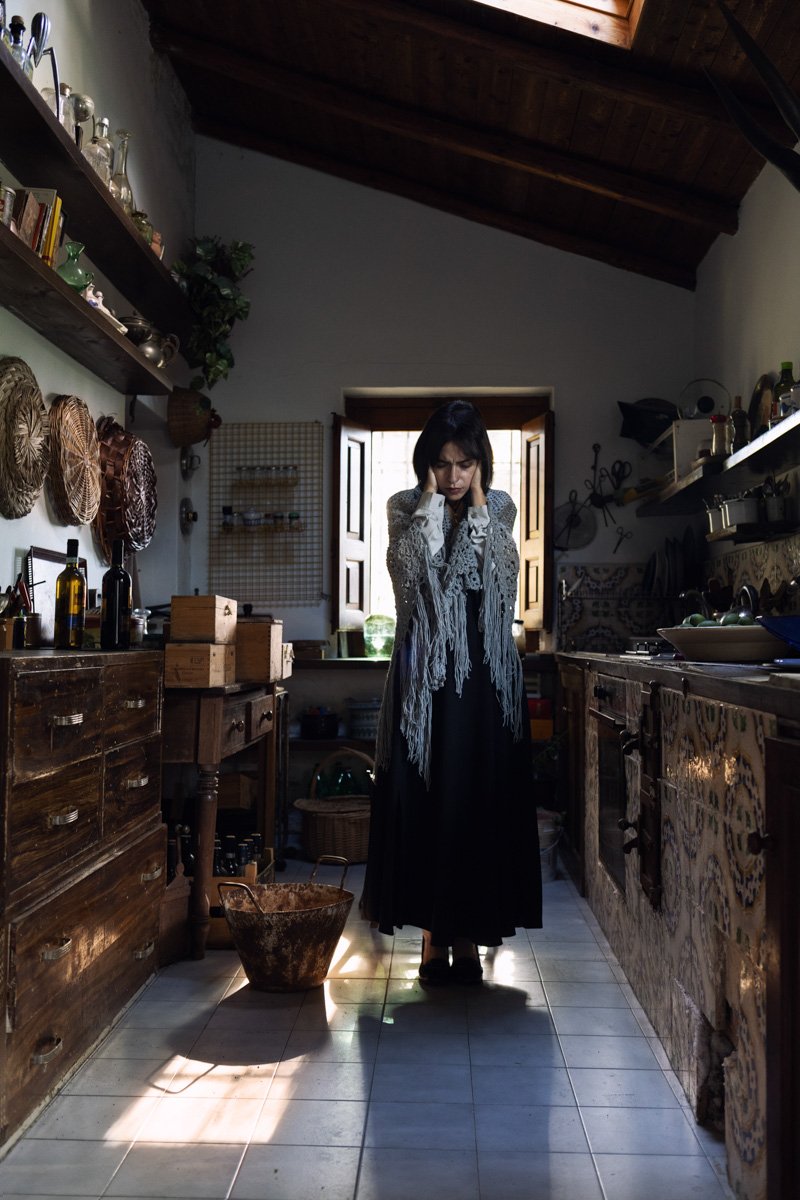
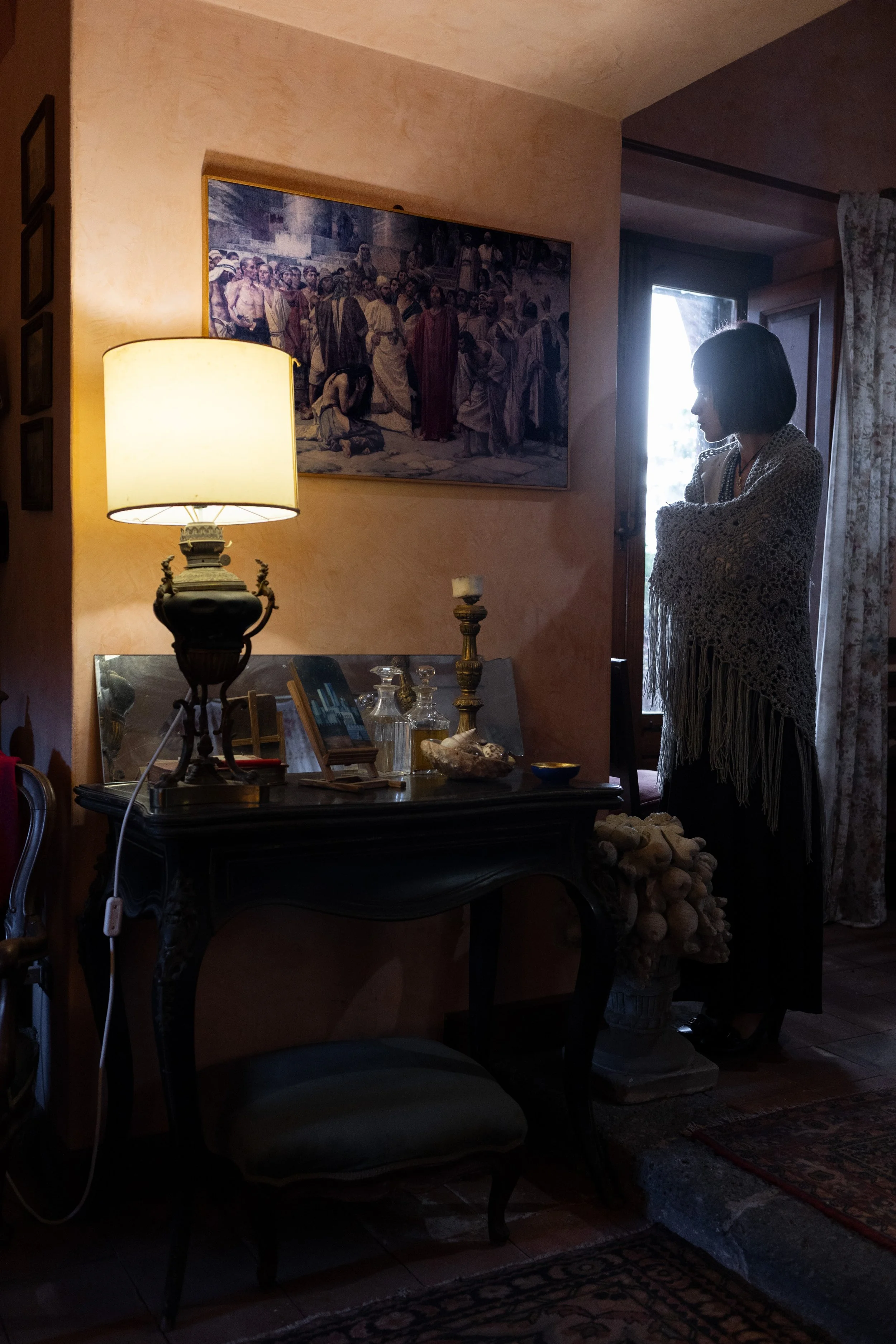
The project aims to describe, through photographs, the condition of psychological suffering, somewhere between neurosis and psychosis, often the result of childhood trauma such as neglect, abandonment, and abuse.
A past that doesn't fade away over time, but lives on in the present, reactivating itself daily, influencing the way we feel, love, and exist, and casting its shadow on a fragile and inevitably compromised future.
This work stems from a profound understanding of psychological suffering and the personal and professional need to tell it. Each shot is imbued with tears and liberation: it arises not from one, but from multiple true stories, from lived experiences, from hours of listening and sharing, from open wounds seeking form, face, and voice.
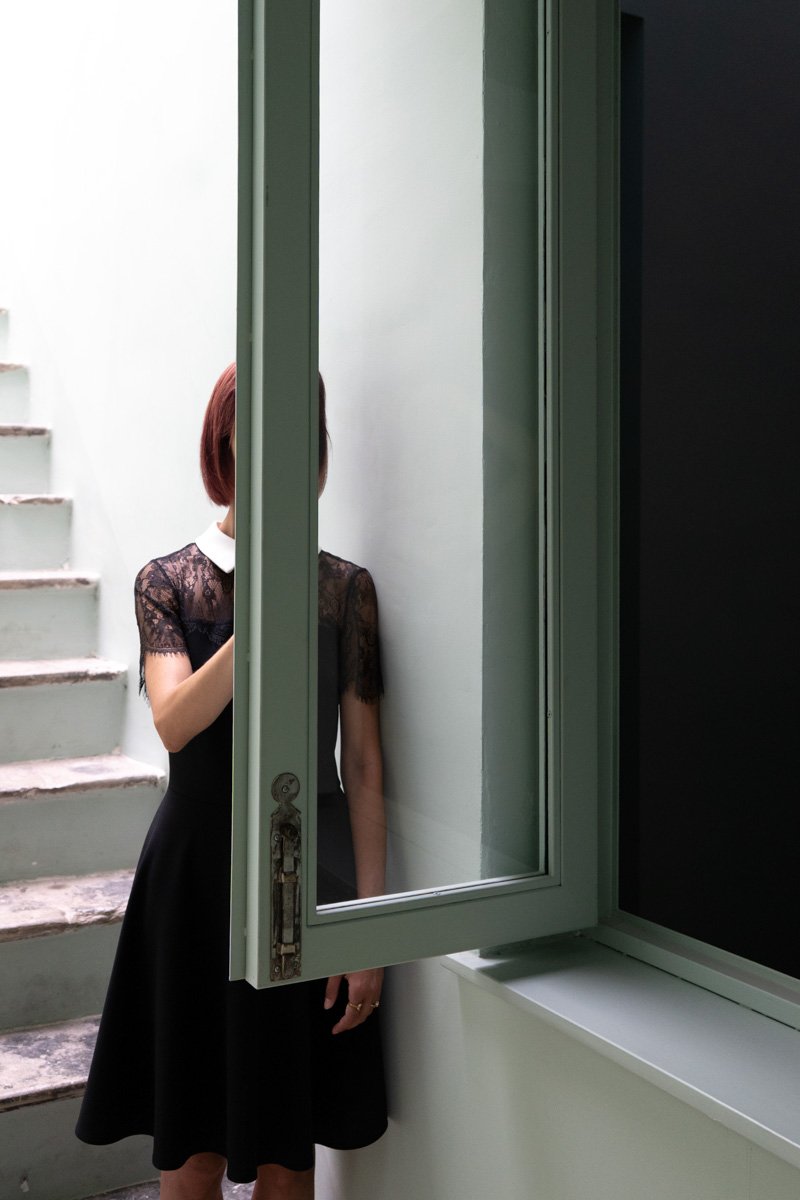
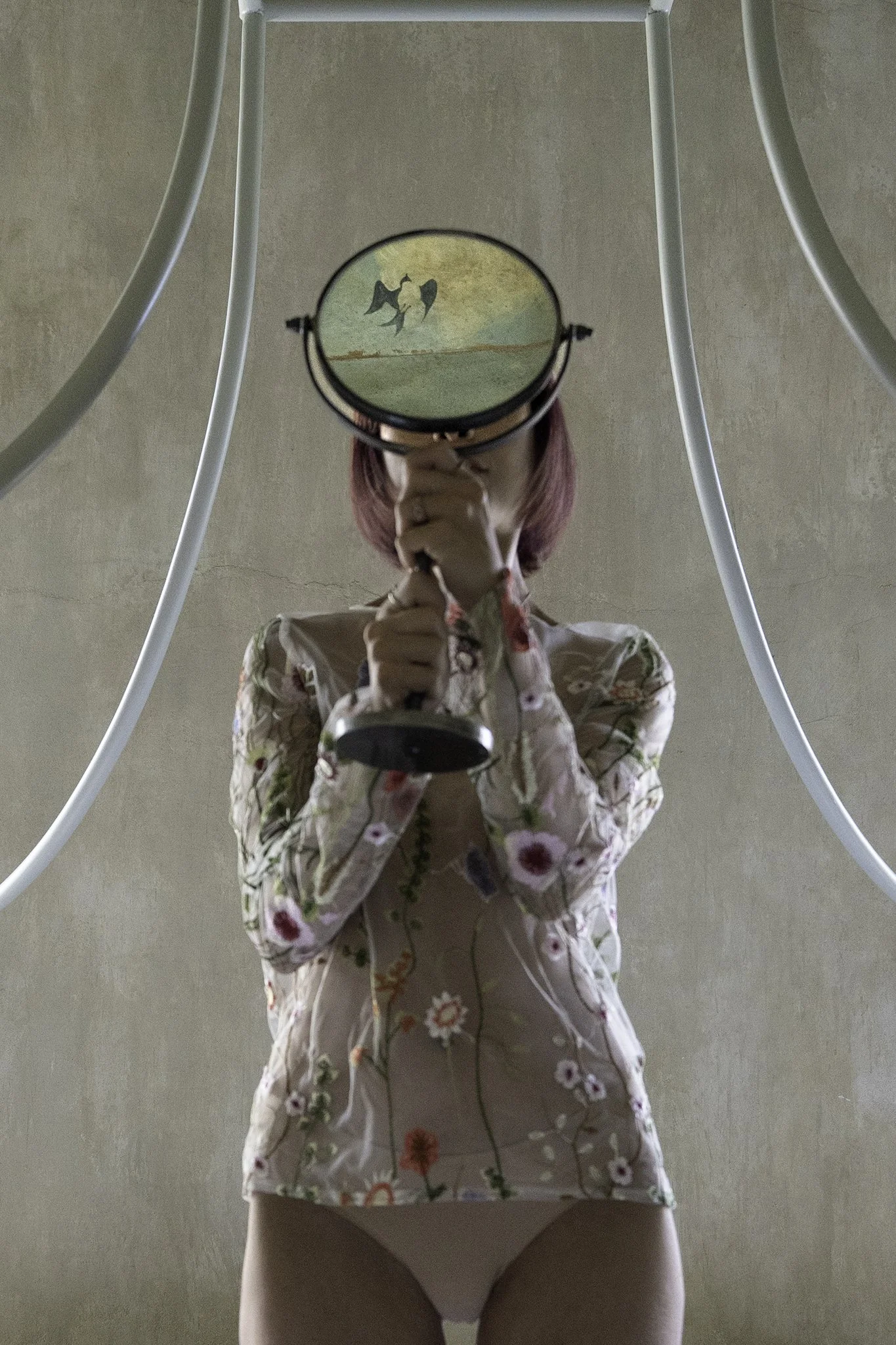
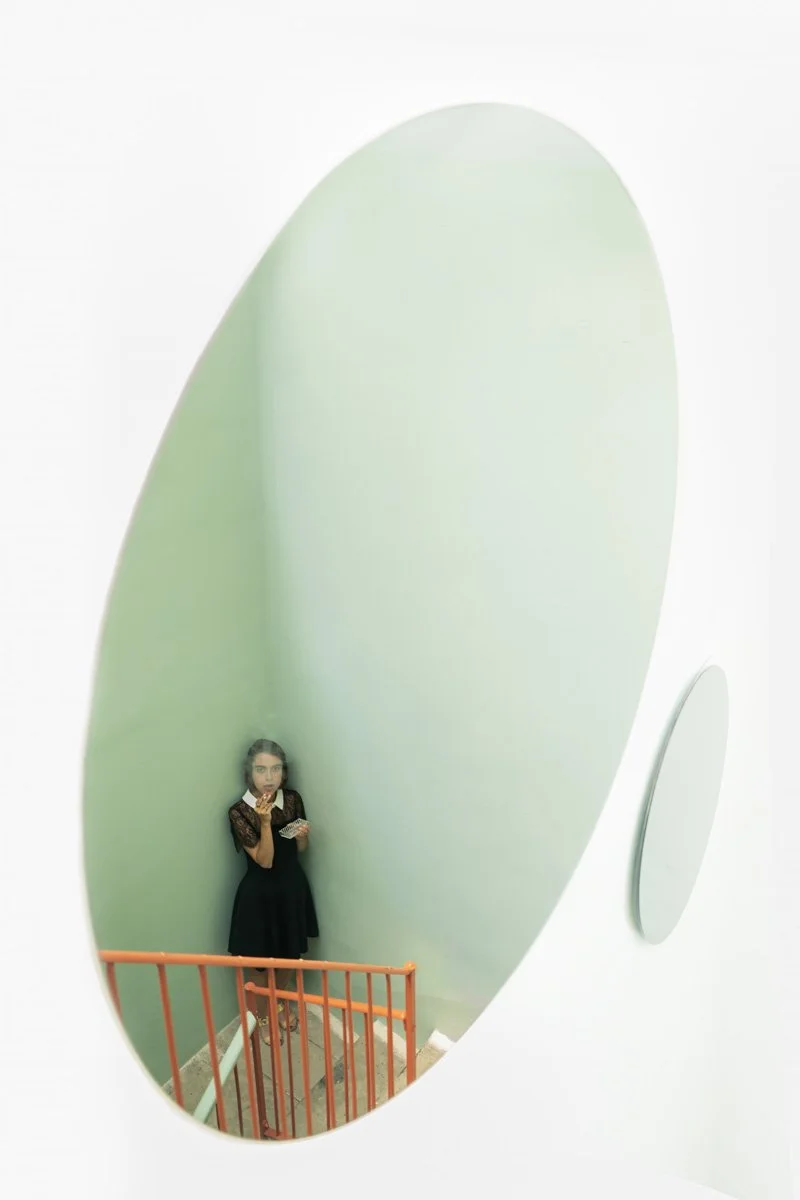
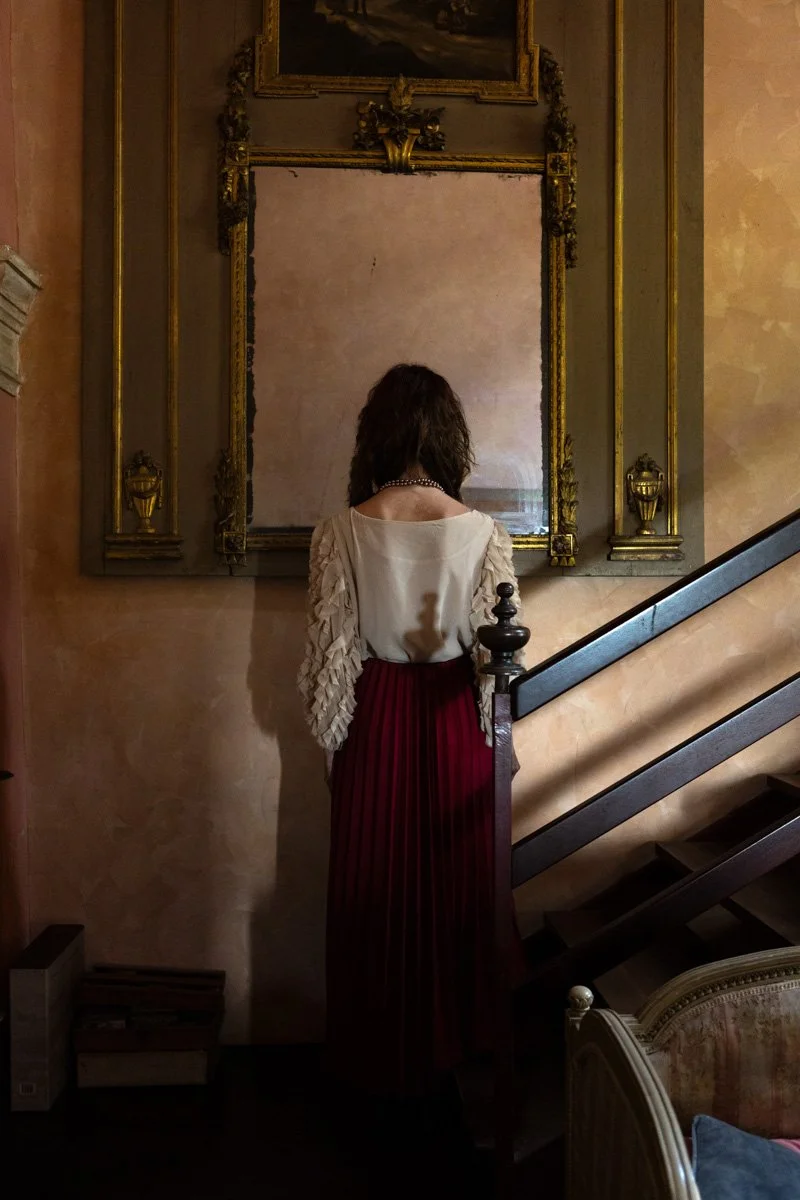
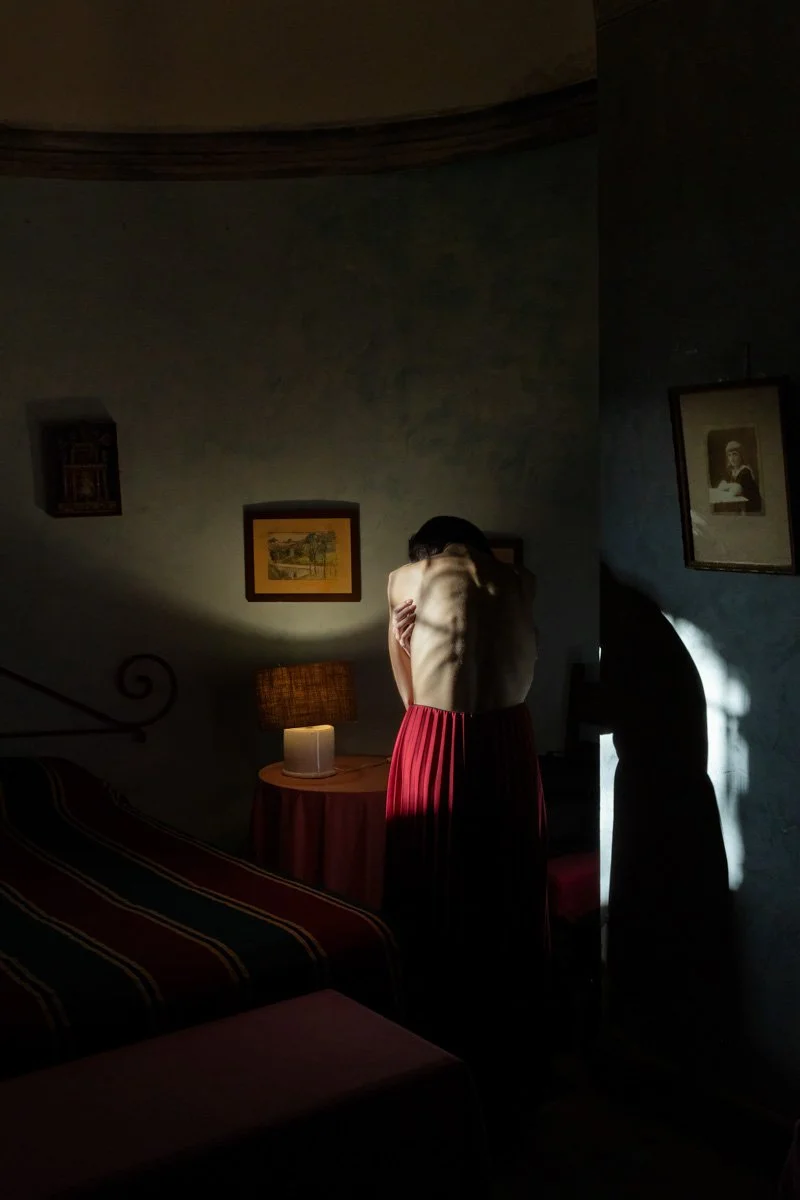
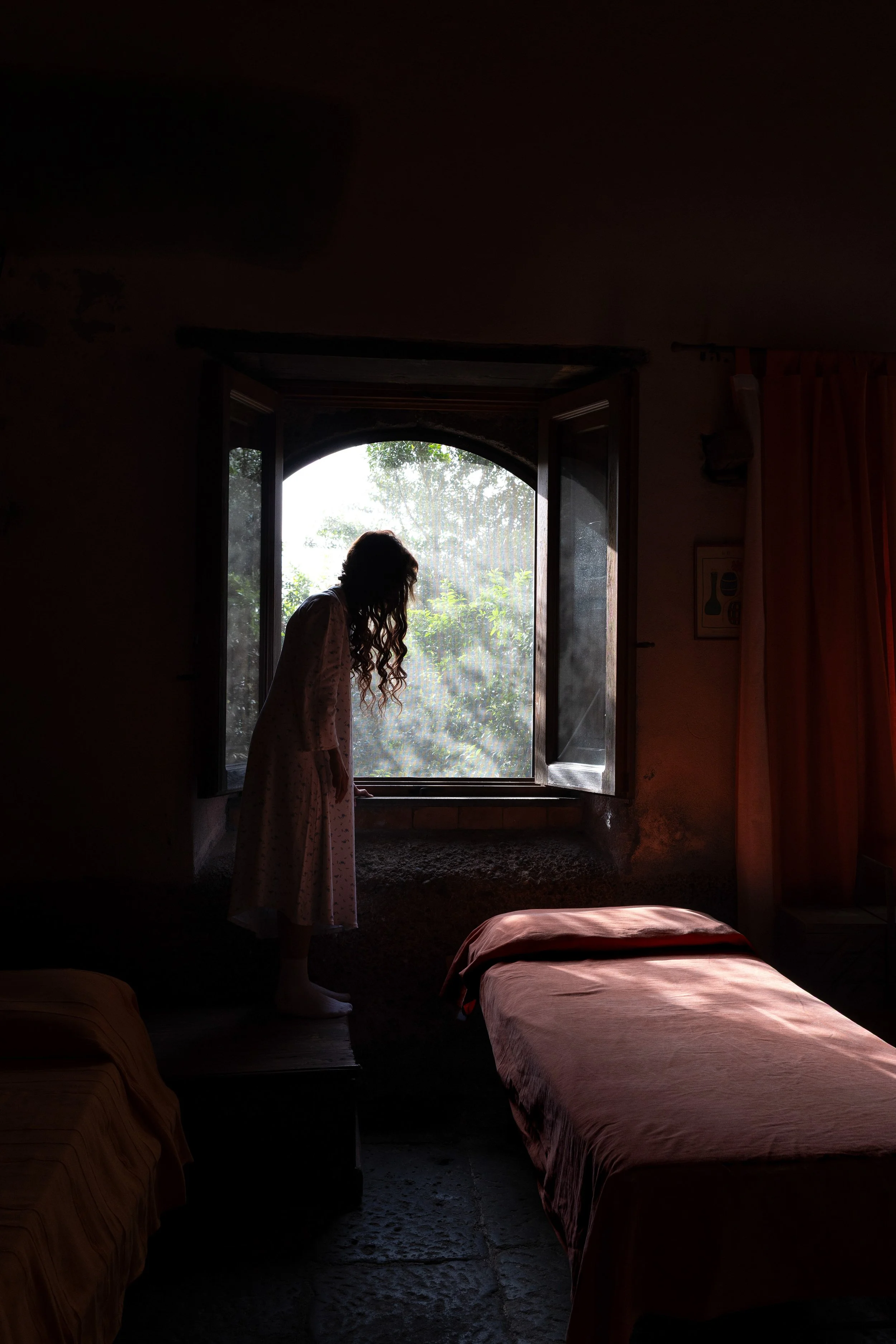
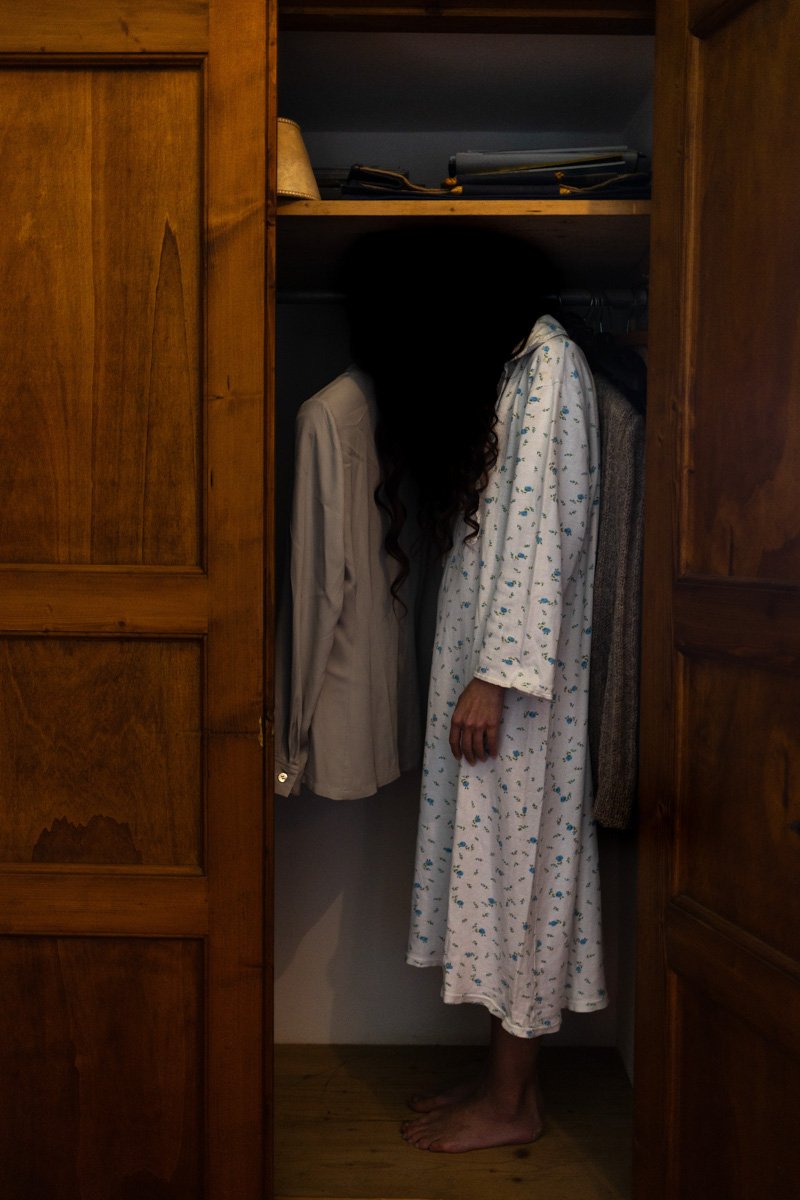
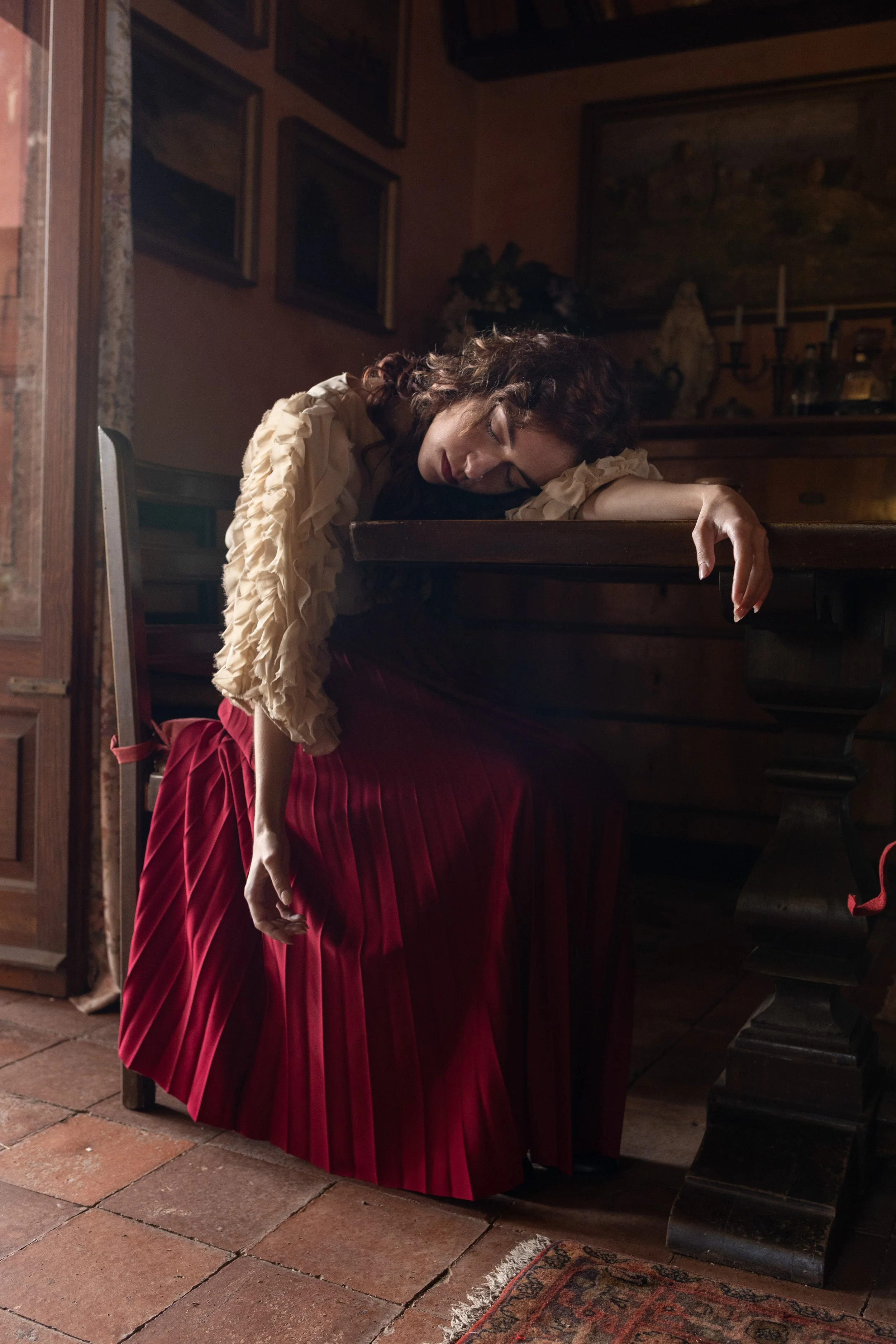
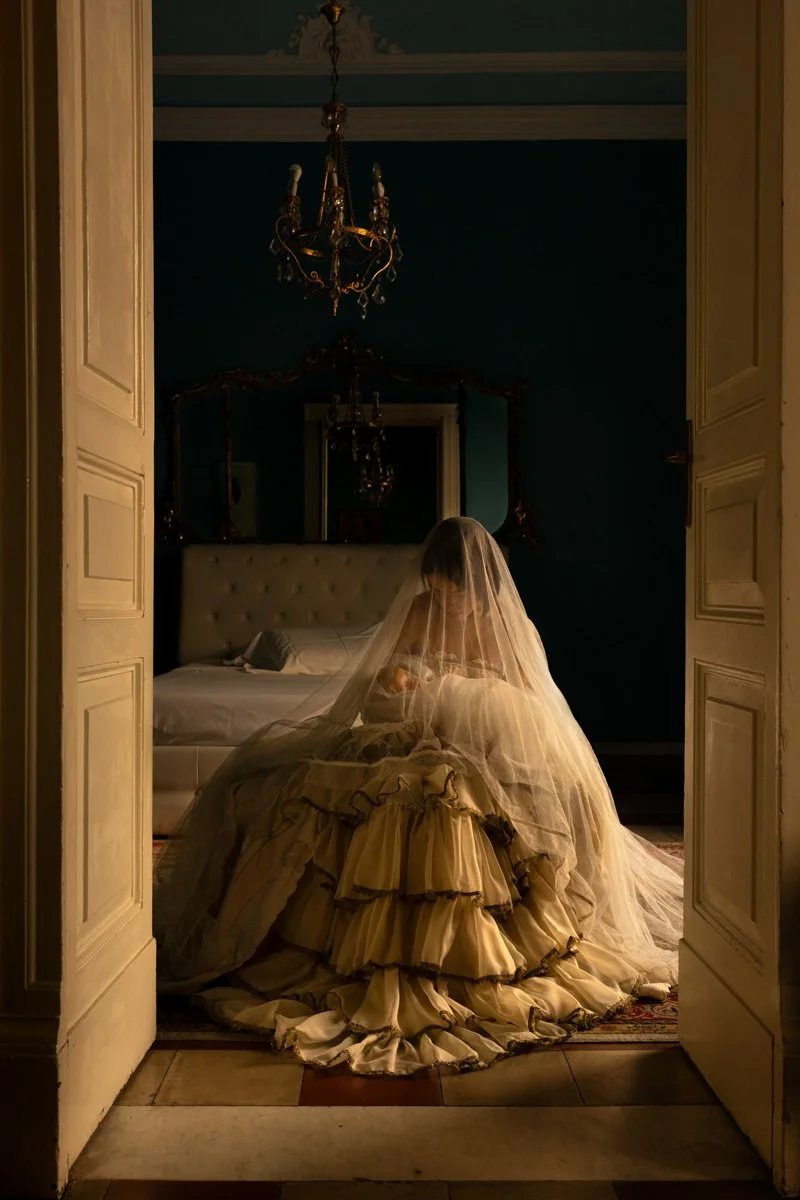
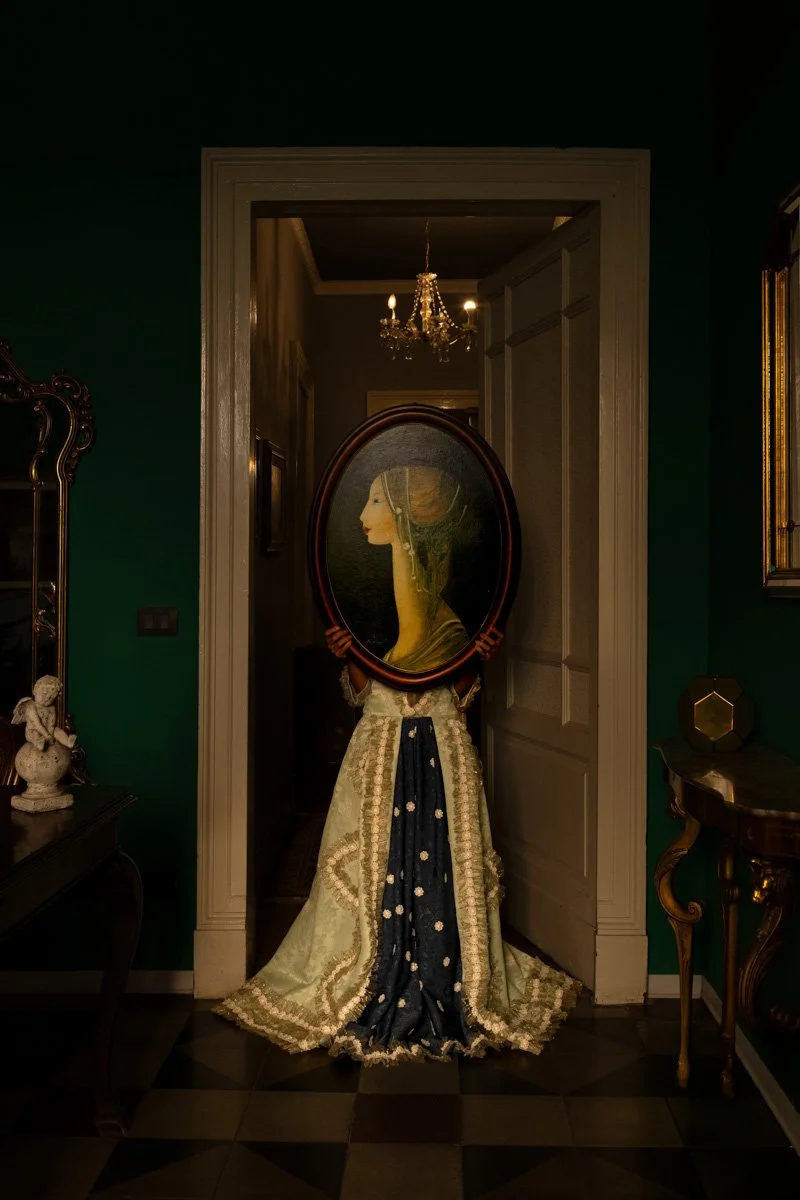
The images do not show the traumatic event, but symbolically represent what can remain after childhood trauma: from an initial borderline phase (neutral tones and more minimalist compositions than the early photographs) to, in some cases, the verge of psychosis (increasingly marked shadows and contrasts): fragmented identities, dissociation, inner voices, attempts at self-repair such as caring for a doll, a persistent sense of emptiness, shame and guilt, feelings of persecution, and a conflictual relationship, even with one's own body.
These are the main and most devastating consequences of childhood trauma.
I chose a conceptual, rather than documentary, language to protect the identity and vulnerability of those involved and make the images universal:
not portraits of individual cases, but symbolic representations of a condition.
The aesthetic research does not aim to deny suffering, but rather to sublimate it.
Pain is staged, contained within an almost theatrical image: transforming internal chaos into an orderly image is a way to make pain more acceptable, more "narratable."
The project also aims to promote collective responsibility.
Is it enough to remove a minor from a harmful environment if continuity of care and support is not guaranteed into adulthood?
Because those who grow up in a fragmented environment remain fragile and find it difficult to achieve full independence without constant support.
Many of these conditions are never even diagnosed.
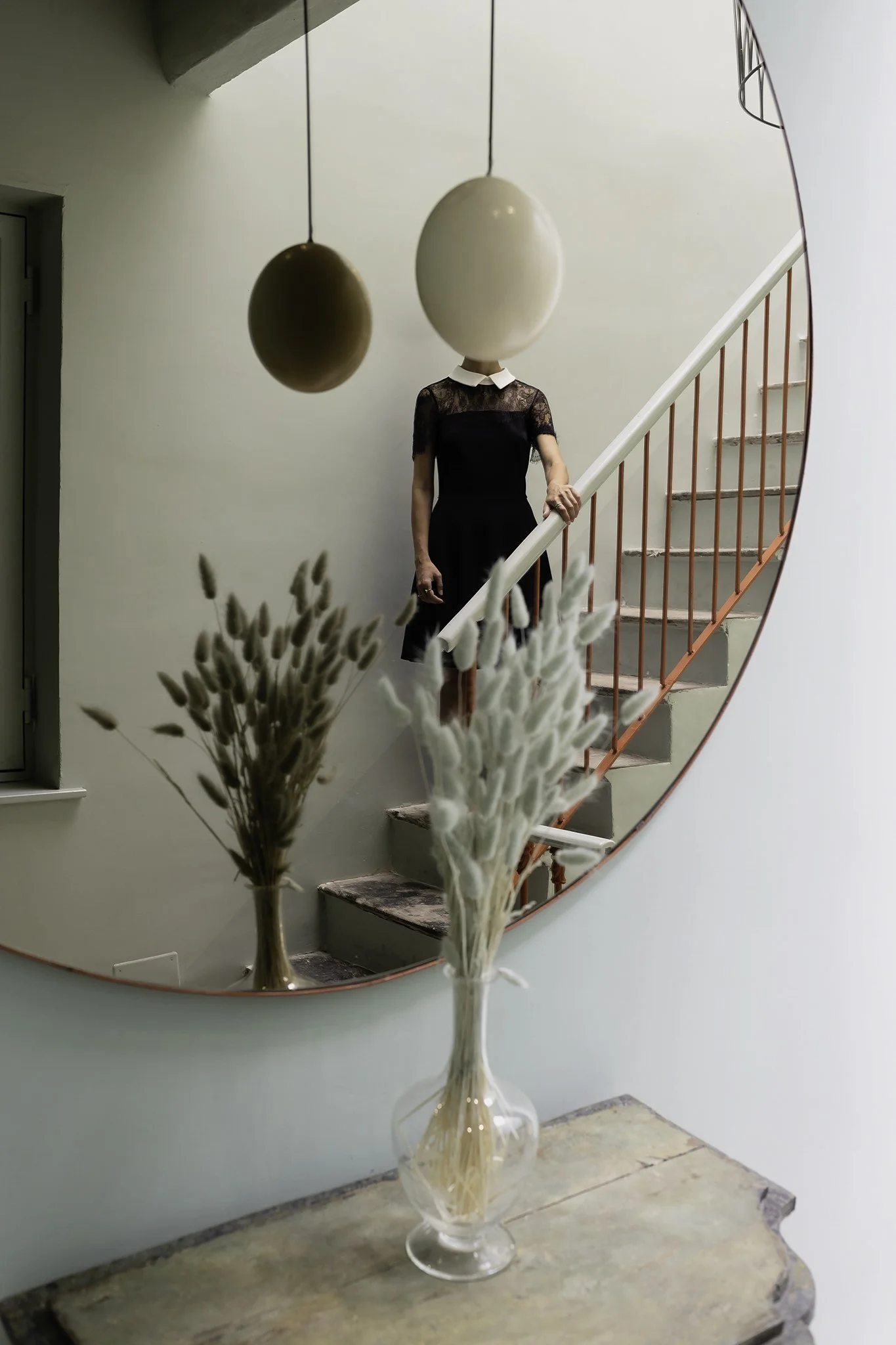
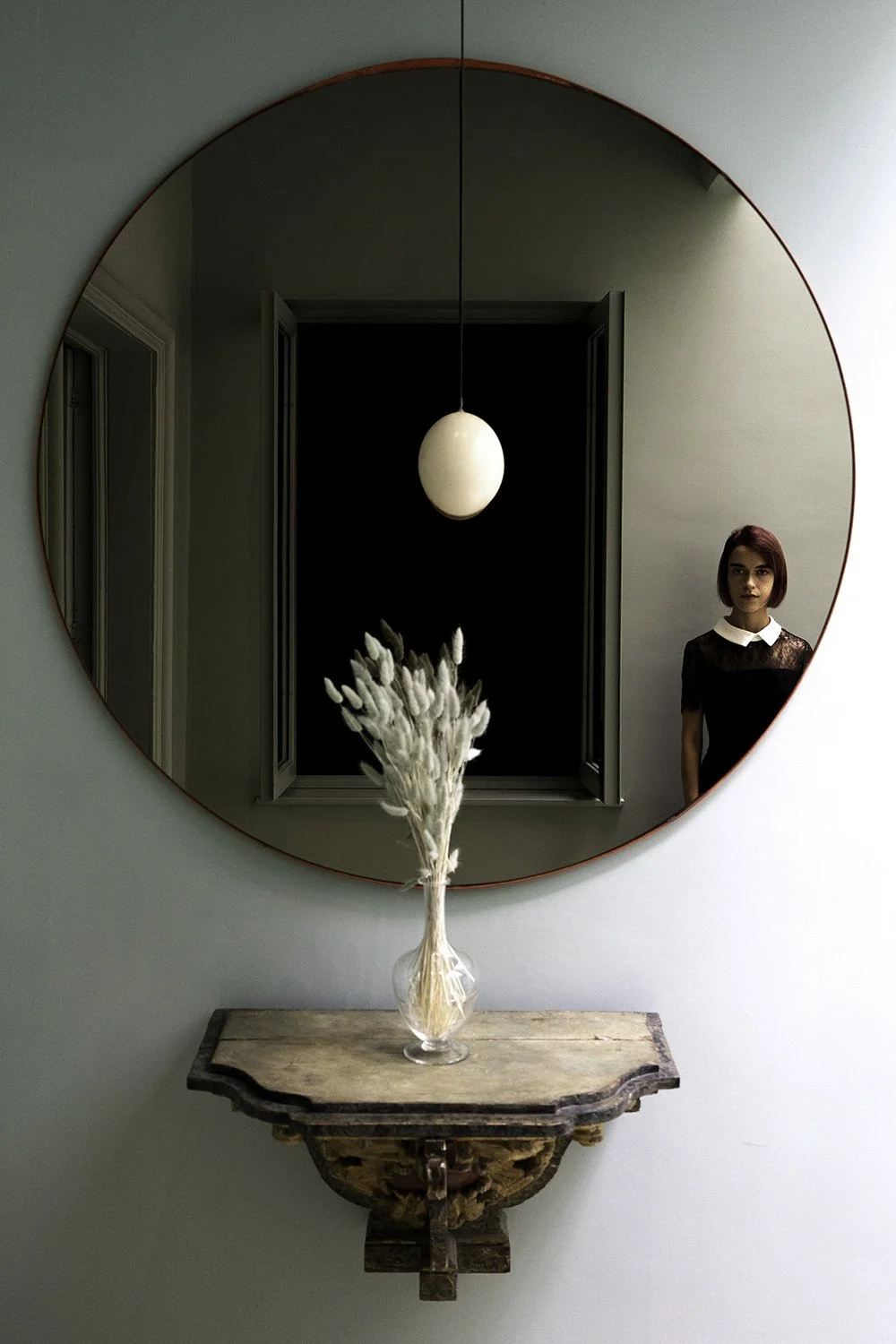
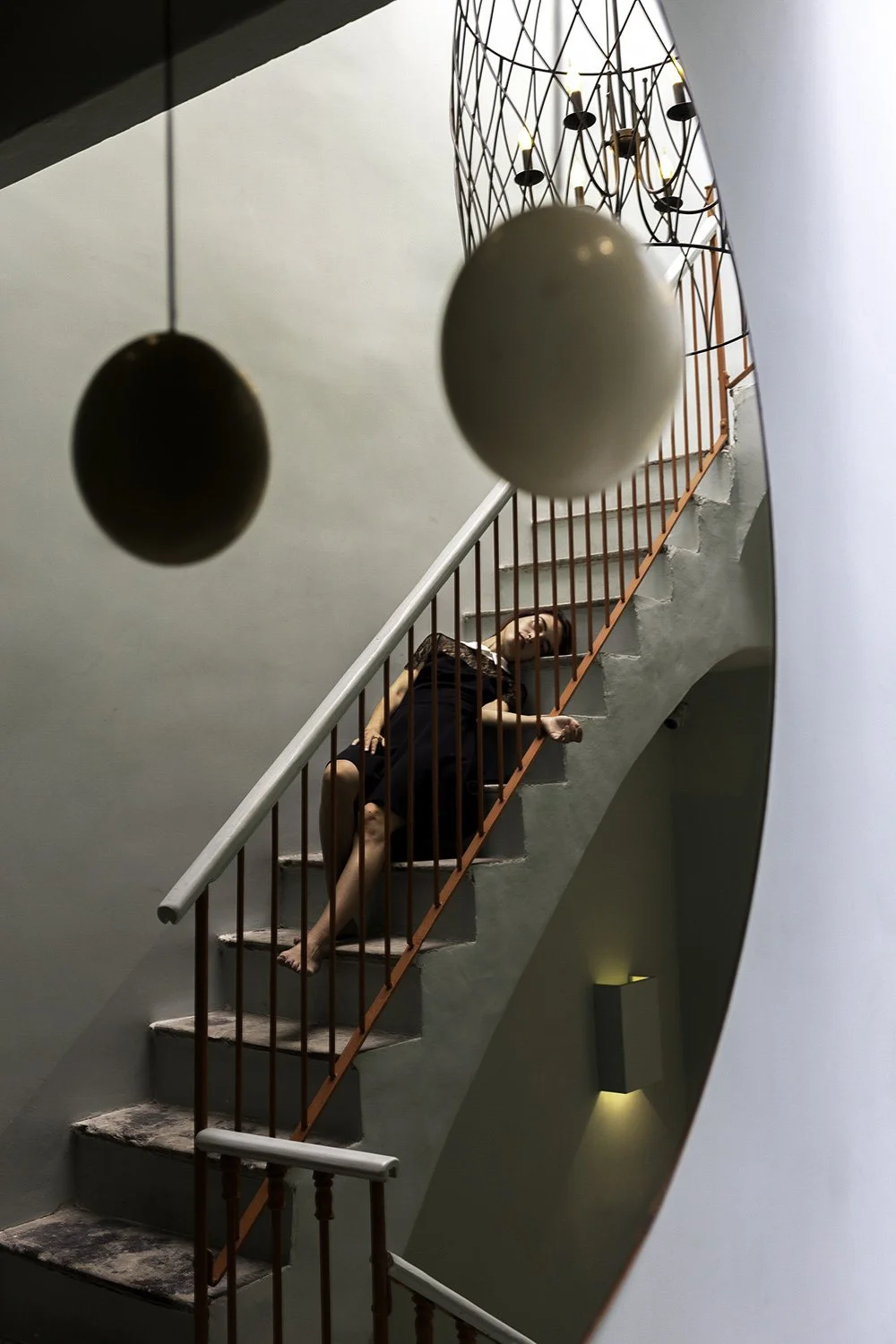
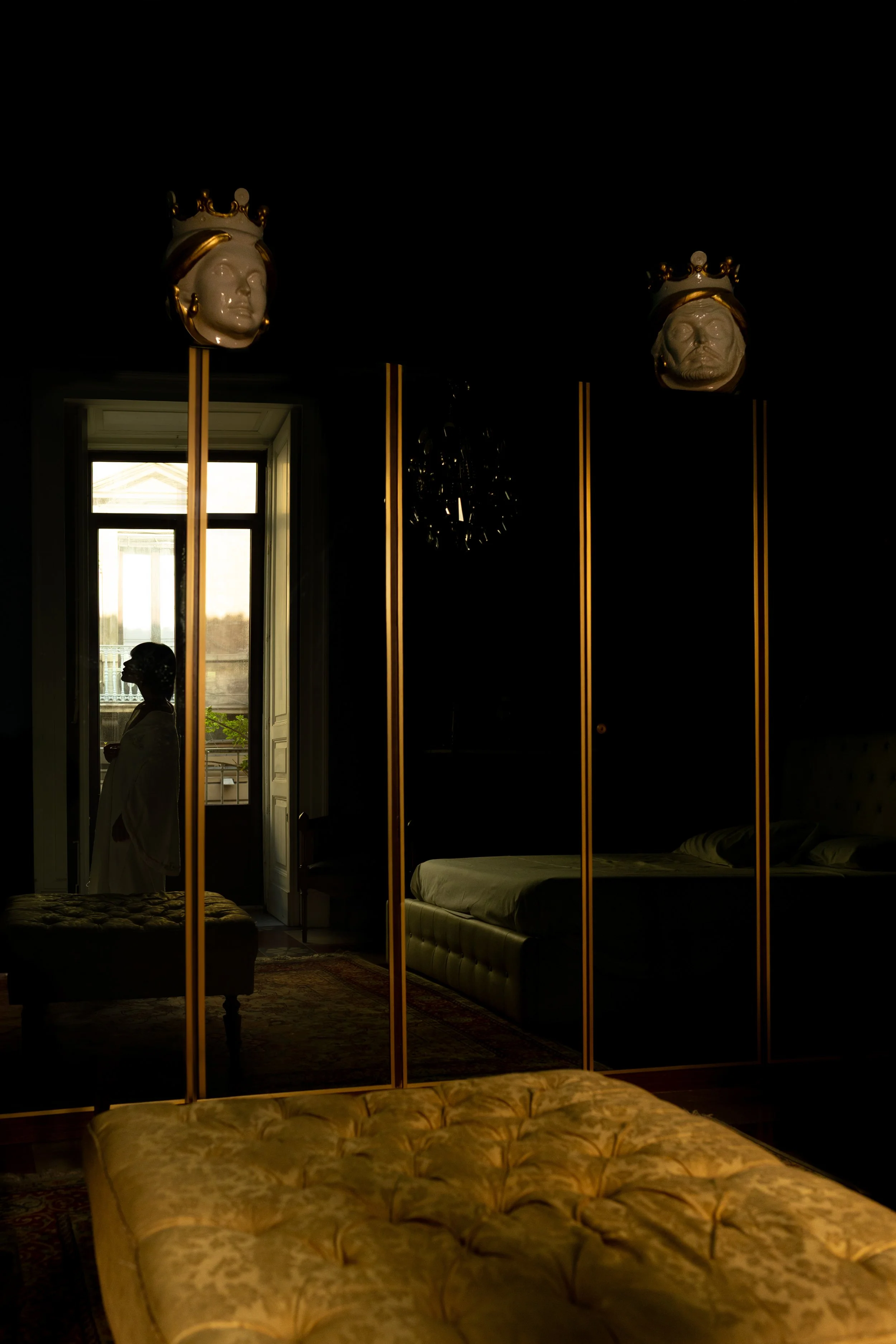
The presence of mirrors and reflections in the early shots aims to emphasize the unstable self-perception and the resulting fragmentation. The two spheres, black and white, indicate the opposites unintegrated by the individual, who remains crushed by them and confined in the corner of an abyss from which he cannot escape.
In the subsequent images, the unease explodes with greater force and verges on psychosis. The shadows become increasingly closed, the contrasts more intense.
Unprocessed memories can resurface in the form of flashbacks, disturbing dreams, uncontrollable emotions. Sometimes even as voices, speaking from within, often with the same threatening tone they were subjected to: an internal "noise" that cannot be silenced. It's not weakness. It's adaptation. But it's an adaptation built on fear, not love.
The body becomes a cage, a battlefield in which difficult-to-manage emotions are concentrated: guilt, shame, anger, the need for control. Guilt, in particular, can be deeply rooted: for having eaten, for not being "enough," for not being able to correspond to an often inaccessible ideal.
The past doesn't stay in the past, but it interferes with the present. Parental neglect leaves an unfillable void and a wound that can't be fully healed.
The "Internal Mother" comes to the fore, representing a profoundly psychoanalytic theme: repair through symbolic substitution. The act of cradling or protecting a doll is, in these cases, not a child's game, but a ritual of compensation.
This results in alienation from reality and the construction of false selves. Trauma has interrupted development. The mind has constructed adaptations. The parts of the self remain separate and in conflict. Those who grew up feeling insecure, those who were ignored, devalued, abused, or abandoned, don't just learn to survive. They learn to distrust. To not even trust their own thoughts. The mind, in these cases, is no longer a refuge: it becomes a battlefield.
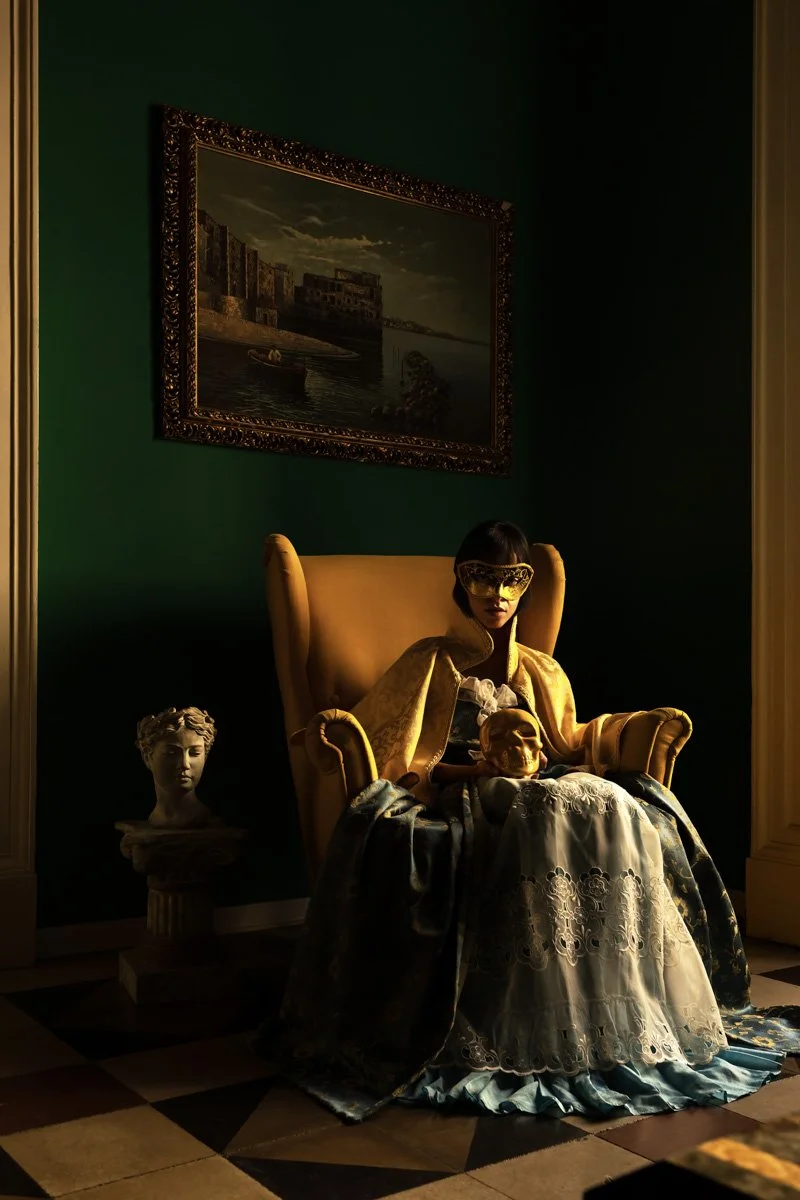
The exhibition concludes with "Hamlet's Doubt," an image intended as a visual narrative summarizing the inner drama experienced by those suffering from this condition: fragmented identity, dissociation, emotional emptiness, and theatricality in the construction of the self. Like Shakespeare's Hamlet, the individual is torn between the desire to assert himself and the fear of dissolution, between a social mask and a fragmented identity. The dilemma is the quintessential existential one: to live or succumb to the unbearable burden of suffering.
The metaphor of the Ocean was created and described by psychiatrist and psychotherapist Luigi Cancrini in "L'oceano borderline. Racconti di viaggio.", 2006, Raffaello Cortina Editore. This text provides the inspiration for all the photographic work.